
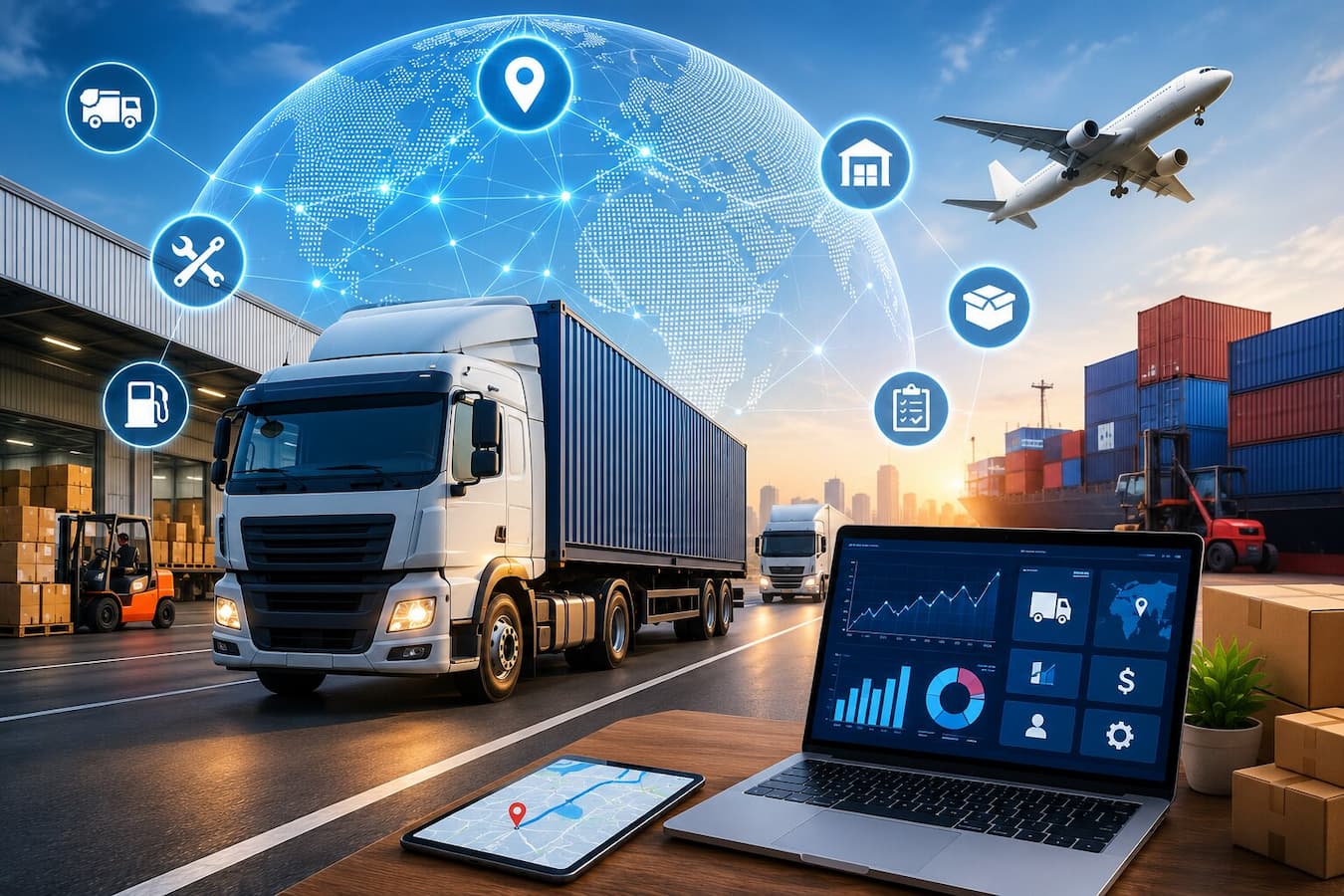
As supply chains become more complex, businesses need better ways to manage transportation, inventory, and daily operations. Manual processes and disconnected systems often create delays, increase costs, and reduce visibility across the organization. Modern logistics management software helps companies streamline operations while improving efficiency at every stage of the supply chain.
By centralizing logistics processes into a single platform, organizations gain better control over resources, improve collaboration between teams, and make faster operational decisions based on real-time information.
Centralizing Logistics Operations
Many logistics teams rely on multiple spreadsheets, standalone applications, and manual communication to coordinate daily activities. This fragmented approach makes it difficult to track shipments, monitor inventory, and respond quickly to unexpected changes.
A centralized logistics platform brings critical operational data together, allowing teams to manage transportation, warehousing, and order fulfillment from one environment.
Improving Visibility Across the Supply Chain
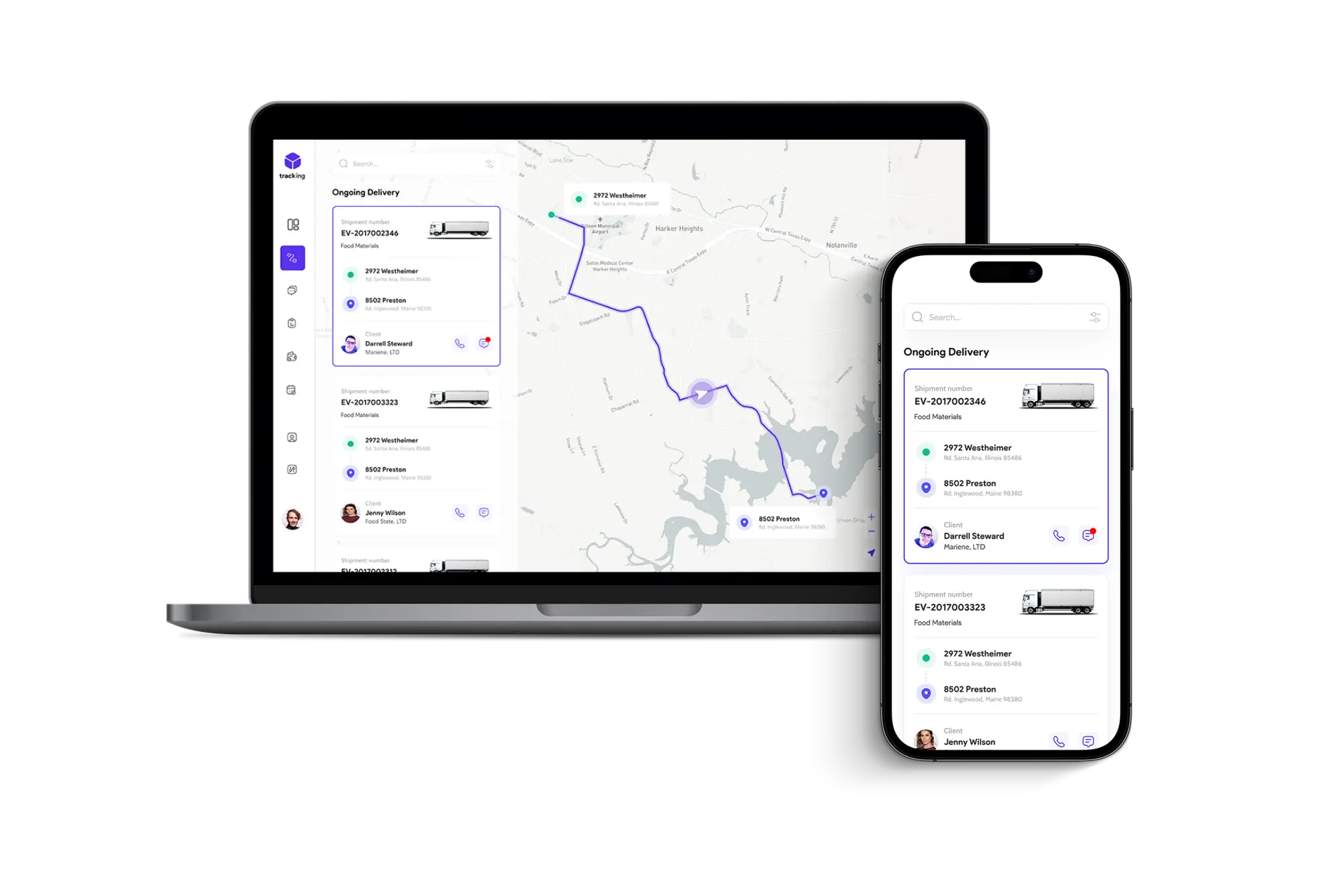
Real-time visibility is one of the biggest advantages of modern logistics software. Access to accurate operational data enables businesses to identify bottlenecks, monitor performance, and react more effectively to disruptions.
- Track shipments and delivery status in real time
- Monitor inventory across multiple locations
- Generate operational reports for faster decision-making
Better visibility allows organizations to improve planning while reducing unnecessary delays and operational risks.
Automating Repetitive Processes
Many logistics activities involve repetitive administrative work, including scheduling shipments, updating inventory records, and processing documentation. Automation reduces manual effort and minimizes the likelihood of human error.
By eliminating repetitive tasks, logistics teams can focus on optimizing operations, improving customer service, and solving higher-value business challenges.
Supporting Business Growth
As organizations expand, logistics operations become increasingly difficult to manage without scalable technology. New warehouses, suppliers, and distribution channels introduce additional complexity that manual processes cannot efficiently support.
Scalable logistics management software provides the flexibility to accommodate growth while maintaining consistent operational performance and process visibility.
Creating Better Customer Experiences
Efficient logistics directly influence customer satisfaction. Accurate delivery estimates, timely order updates, and reliable fulfillment help build trust and strengthen customer relationships.
Organizations that improve internal logistics processes are better positioned to deliver consistent service while responding quickly to changing customer expectations.
Conclusion
Logistics management software plays a critical role in improving operational efficiency across modern supply chains. By centralizing information, automating routine processes, and increasing visibility, businesses can reduce costs, improve decision-making, and create a stronger foundation for sustainable growth.

Flexibility, efficiency, and individual approach to each customer are the basic principles we are guided by in our work.
Our services


